The framework below helps you build that message. It doesn’t guarantee that a gap will fill, and it doesn’t replace decisions about pricing, minimum stays, or the demand in your market.
Why your dates are empty
Before you promote anything, check whether guests can find and book the dates at all. Common reasons: the stay rules don’t fit the gap (a three-night minimum on a two-night opening), the price is out of line with similar listings for those dates, the listing doesn’t appear for the dates people search, or the gap is simply in a quiet week for your market.
Fix the listing first
- Stay rules. Allow shorter stays for gaps between bookings, if your turnovers can handle it.
- Price. Compare your total price, including cleaning, with similar listings for the same dates. If a pricing tool manages your rates, adjust it there.
- Photos and first lines. Lead with the photo and the sentence that make your place the obvious choice for that season.
- Instant booking. Guests planning at short notice often filter for it.
- Reviews. Reply to recent reviews; a fresh, thoughtful reply reassures the next guest.
Then look beyond the platform. Past guests, your own followers and your own website can fill dates without another platform fee. See what that fee costs in our Airbnb host fees guide, and send people to a direct booking website where they can check the dates themselves.
Start with five facts
- Dates: Which nights are actually available?
- Guest: Who could realistically take that trip?
- Experience: What can they enjoy at the property during those dates?
- Constraints: What stay requirements or property rules apply?
- Destination: Where can they check details and book?
Write the answers down before generating captions. Confirm any local event, opening time, or seasonal claim with the original organizer or venue. If you can’t verify it, leave it out.
Turn the opening into an invitation
Compare these two approaches:
We have availability! Book now!
The message is short, but it doesn’t help someone picture the trip. A more specific draft might look like this:
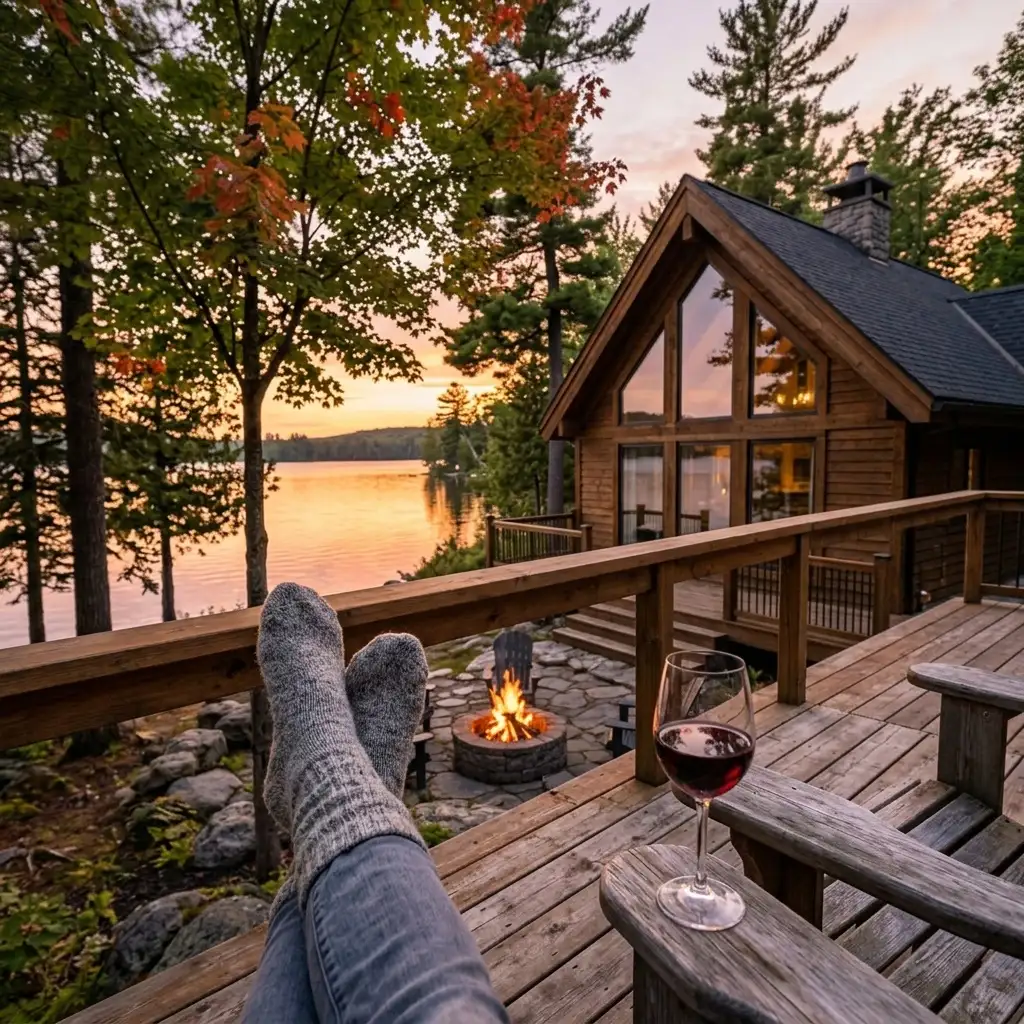
A few quiet weekdays, a covered porch, and room to finish that book. Our cabin is available October 12–15. Take a look at the property and check the current total on our booking page.
This is illustrative copy. Use your actual dates, property type, amenities, and booking requirements. Don’t imply a price reduction or limited availability unless it’s true.
Choose a photo that supports the reason to visit
If the invitation is about the porch, show the porch. If it’s about cooking together, show the kitchen and dining space. The picture should make the specific promise easier to understand.
Use recent property photography and avoid editing that adds features or changes the actual layout. If the post describes a seasonal experience, check whether the photo could give a misleading impression of current conditions.
Make the destination match
Send guests to the property’s booking page or an appropriate availability search. Check the page on your phone before publishing. If dates can’t be prefilled, make it clear which dates to select.
Add campaign tags where supported. An example naming convention is utm_source=instagram, utm_medium=organic_social, and utm_campaign=october_weekday_gap.
Keep the names consistent enough to compare later.
Use a small campaign, then review
Start with a strong property post and a supporting story or follow-up that answers a useful question. Give each piece a distinct purpose rather than repeating the same urgent message.
- Main post: introduce the stay and available dates.
- Supporting story: show a detail that helps the guest picture the visit.
- Follow-up: answer a real question about the property or booking process.
If the dates book, update or remove scheduled availability messages. If they don’t, review the entire offer before assuming you simply need more posts.
Separate attention from booking evidence
Review link visits, guest questions, booking starts, and confirmed reservations where those signals are available. A guest may see a post and return through another channel, so incomplete attribution should remain incomplete rather than becoming a confident revenue claim.
Keep a short campaign note: dates promoted, offer, assets used, channels, link, and observed outcomes. Over time, those notes can tell you which invitations are worth repeating.
Use your property as the creative brief
STR Social helps turn property assets into content you can review. Bring the five facts above to your next draft. For a repeatable routine beyond open-date campaigns, use the monthly social calendar.